13 min read
Stairlifts vs Home Lifts – Key differences
Blog
If you’re looking for an accessibility solution to stay at home and are unsure if a stairlift or home lift is right for you, you have come to the right place. In this blog, we’ll cover the main differences between stairlifts and home lifts and give you advice to help you make your choice.
What is a stairlift?
A stairlift is a seating device that transports a person between floors. The chair is propelled by an electric motor along a rail attached to the staircase. A stairlift is often only suitable for one-level travel unless an additional stairlift is installed on every level. Additionally, Stairlifts are available for both curved and straight stairs.


What is a Platform Lift?
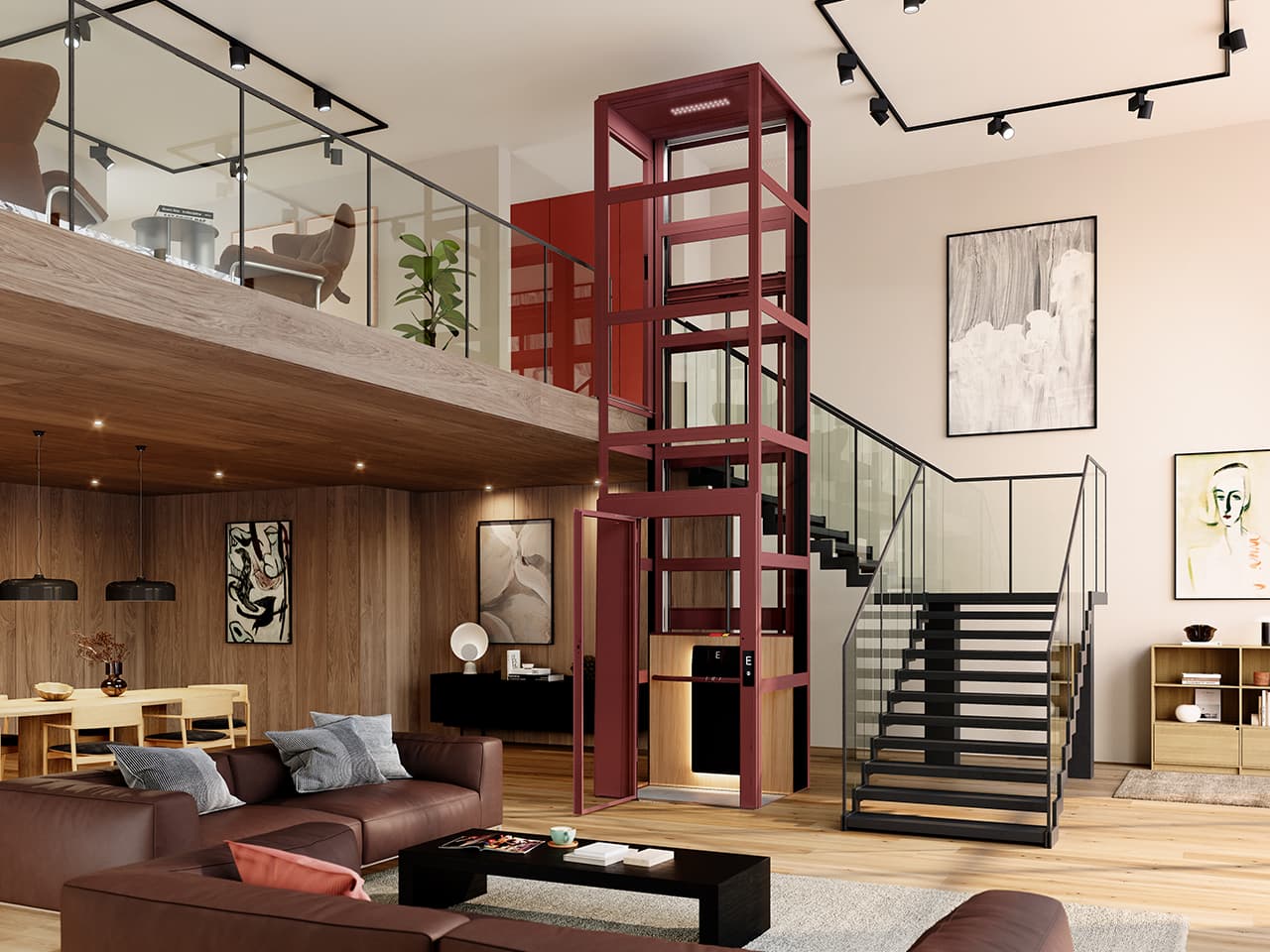
A platform lift works similarly to an elevator, except instead of being an enclosed cabin, it is a vertical platform system that moves the platform from one level to another. A Kalea platform lift is incredibly safe and easy to use, with travel up to 6 floors and multiple platform sizes suitable for mobility devices. No home is too small for a Kalea lift since it is compact enough to fit into 1m2 or it can even be installed outdoors.


Kalea Luna residential platform lift with saloon doors
What are the key differences between a stairlift and a home lift?
When choosing a home elevator or stairlift, the right choice depends on various factors. Such as:
1. Cost
Home lifts generally cost more than stairlifts. For instance, a Kalea home lift servicing 2 floors can cost between 20,000 to 40,000 euros. A stairlift, on the other hand, can cost around 3000 to 5000 euros. However, a home lift is known to increase property value, whereas a stairlift does not. In addition, a home lift has a lifespan of 25 years with good maintenance, whereas a stairlift will last 7-10 years with proper maintenance.
2. Space
Both stairlifts and home lifts are available in various sizes to fit your space. However, stairlifts can only be installed on the stairs. Sometimes, stairways are not wide enough to install a stairlift without issue. The stairlift installation also takes up space around your staircase, making it less accessible for other residents who cannot use the stairs when the stairlift is in use.
On the other hand, a home lift can be installed in any location, including the outside. Though a home lift requires some space, a home lift by Kalea can be installed if you have 1m2 to spare, with no digging and minimal headspace. Additionally, the wide range of sizes makes finding a suitable spot for your home lift easy.


Kalea Outdoor lift
3. Type of use
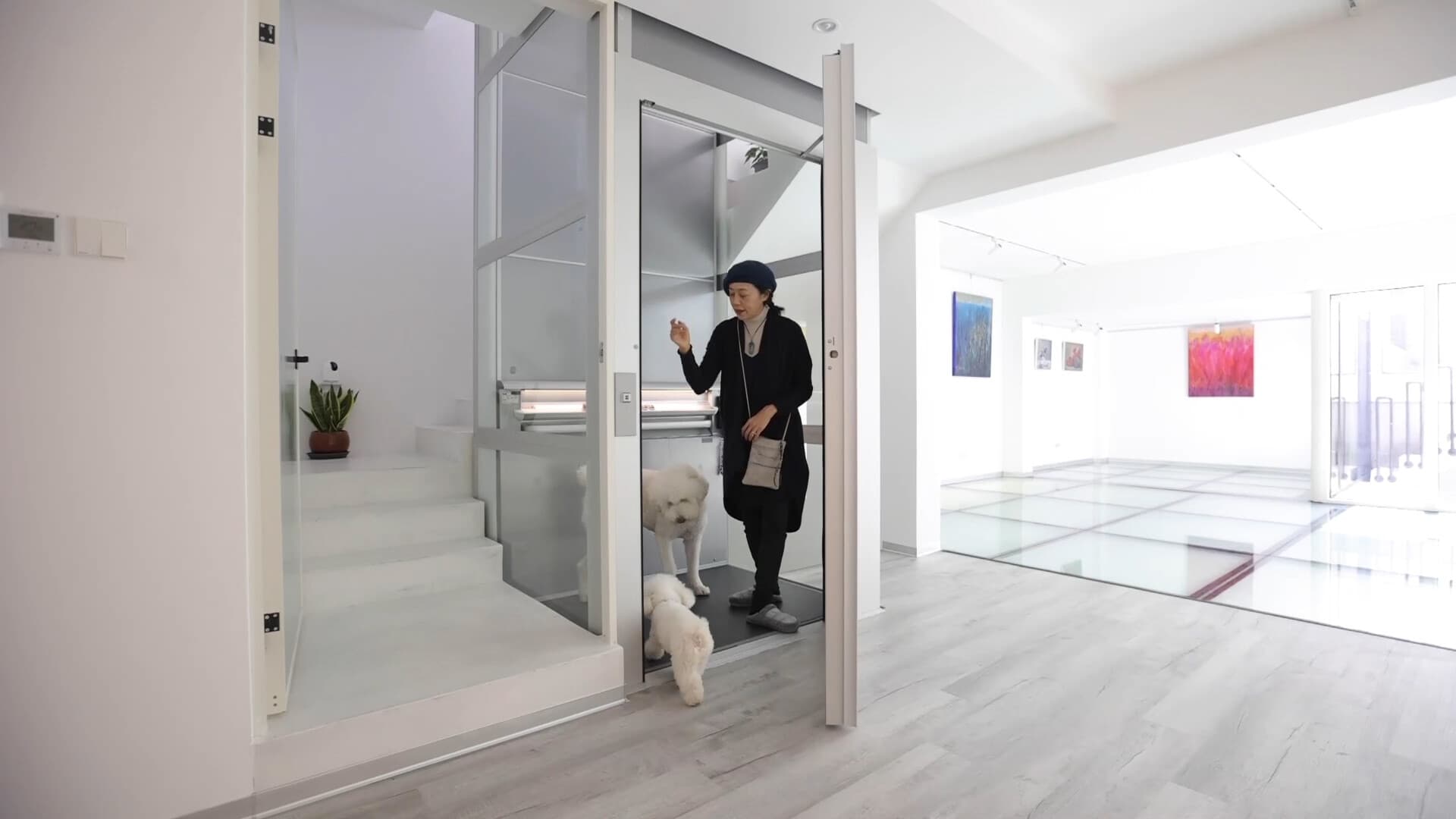
A big factor is what the lift will be used for. If you are looking for an individual solution for a safe way to travel, a stairlift might be suitable. However, a home lift is the way to go if you’re looking for an easy solution that can be used simultaneously with a mobility device and by more than one person. Remember, with a stairlift, you will need to relocate from your mobility device into the chair and once you have reached the next floor, another mobility device needs to be waiting for you. This can make things more complicated than they should be; with a wheelchair-friendly home elevator, you never need to get off your mobility device if you don’t want to.

Kalea Atmos
4. Type of home
If you live in a multiple-storey home, a stairlift might not be the right fit for you. Although a stairlift can handle long staircases and cover several floors, you are less protected when travelling with stairlift than when travelling with a vertical lift. A vertical residential elevator, on the other hand, offers you a well-protected ride and is suitable for multi-levelled houses of up to 6 floors.
5. Home design
One important difference between stairlifts and home lifts is design. Stairlifts are great at serving their function, but design is not their strength. When it comes to home design, residential elevators are the better option. Kalea home elevators are designed in Sweden, with beautiful features and more than 250 colours to fit your home aesthetics seamlessly. Look at our references to get inspired by beautiful homes with Kalea Lifts.

Kalea Luna home lift
6. Safety
Both a stairlift and a home lift increase your safety at home. Stair-related injury is high among those aged 65 and older, so installing a stairlift or home lift is a great preventative measure.
A stairlift will not allow you to bring your wheelchair or walker to the next floor. With a home lift, you avoid the transfer completely and get into the lift with your mobility device. This innately reduces the risk of injury when transferring from a mobility device into a chair lift.
Additionally, Kalea Lifts feature numerous safety features that make your home experience safer; for example, this child lock helps to prevent children from using your Kalea home elevator.

Child lock on Kalea Luna residential platform lift
6. Investment
You might not see this purchase as an investment, but a home lift has a positive return on investment. A home lift is said to increase property value by 10% and it makes your property more appealing to a larger pool of buyers. On the other hand, stairlifts have little resale value, making your home less appealing to buyers.
7. Installation
Installing a stairlift takes only a few hours, and installing a 2-stop platform lift by Kalea takes 2-3 days. Though a stairlift can be installed faster, 2-3 days of installation time for a home elevator that lasts 25 years is still a good time investment.
Which should you choose?
We could talk at length about the benefits of having a home lift; we are one of the oldest lift brands in the world. However, there is no direct answer. The best solution is the one that suits your needs and budget. For some, a stairlift might be the solution; for others, a home lift is the perfect long-term solution.
Adding a lift to your home brings comfort and safety to the next level. Consider all the pros and cons and seek expert advice to get more detailed information specific to your situation. We invite you to contact us to receive free expert advice.
We recommend that you read: Homeowners Guide to Buying a Lift.